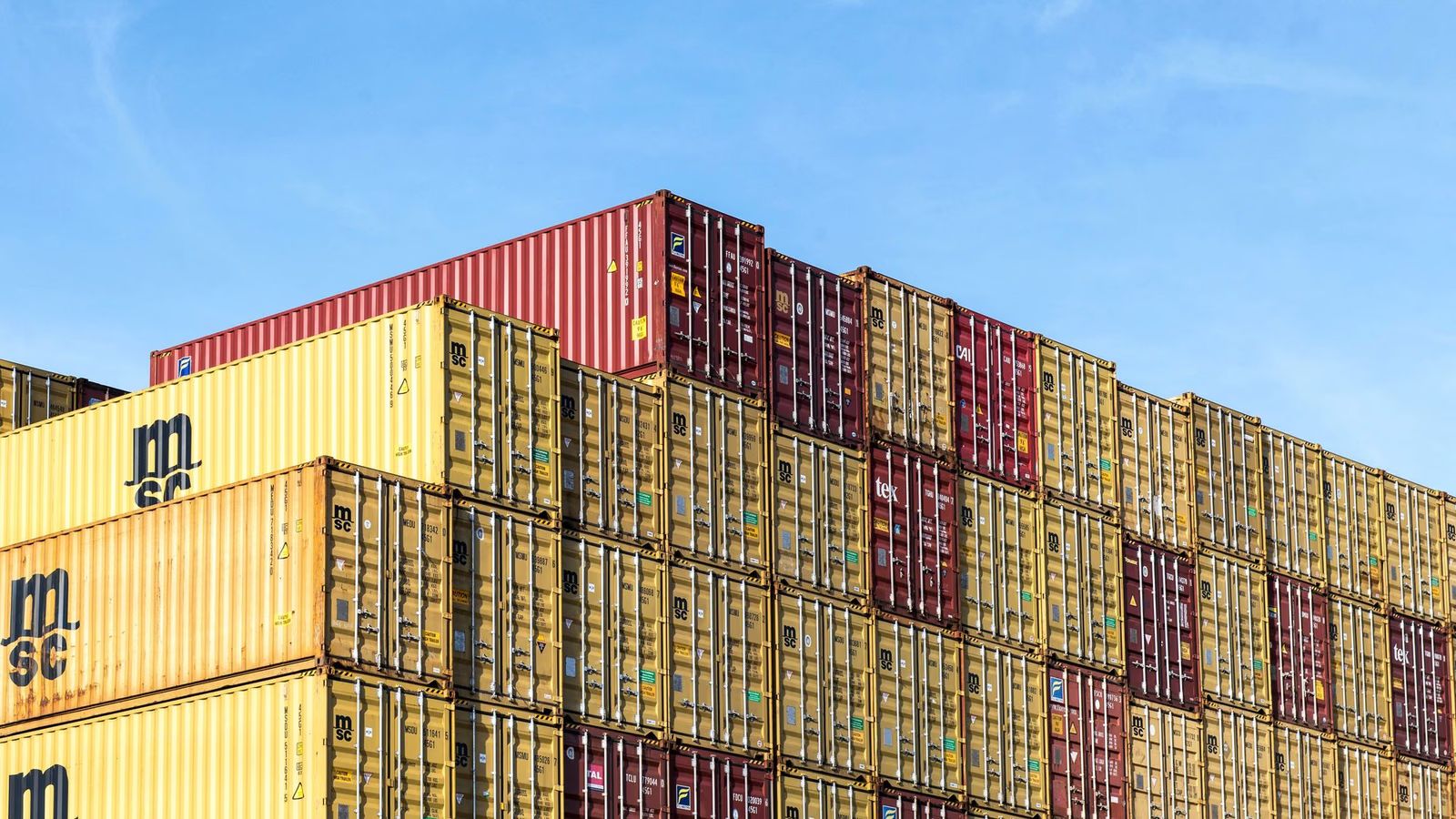
The volume threshold that decides it
Below roughly 12–15 cubic metres, LCL — sharing a container with other shippers’ cargo — is usually cheaper and still arrives on a predictable schedule. Above that line, a full container (FCL) stops costing a premium and starts paying for itself in the reduced handling and lower damage risk of a sealed box that nobody else touches.
First-time buyers often default to LCL out of caution. It is the right call for a sample order or a first small run — just plan for FCL once volumes settle, because consolidation adds a few days at both ends that a direct FCL booking skips.
What the desk files on your behalf
We handle import and export document filing — the shipping bill, duty classification, and phytosanitary or fumigation clearance where the cargo needs it — this service is also sold to third-party exporters shipping out of Tuticorin, Cochin or Chennai, independent of anything they buy from us directly.
FCL vs LCL at a glance
| Aspect | LCL | FCL |
|---|---|---|
| Typical volume | Below ≈ 12 – 15 m³ | Above ≈ 12 – 15 m³ |
| Best for | Sample or first order | Repeat, settled volumes |
| Container | Shared with other shippers | Sealed, untouched |
| Handling risk | Higher — multiple handlers | Lower — single booking |
What to have ready before you book
Commercial invoice, packing list and the buyer’s import licence details, if your destination country requires one. Container pricing depends on volume, port and season, so the desk quotes on enquiry rather than publishing a flat rate.